
A post shared by Anthem 24 - English (@anthem24english)
If Sri Lanka’s total export earnings have improved, why is the domestic economy still feeling the pinch?
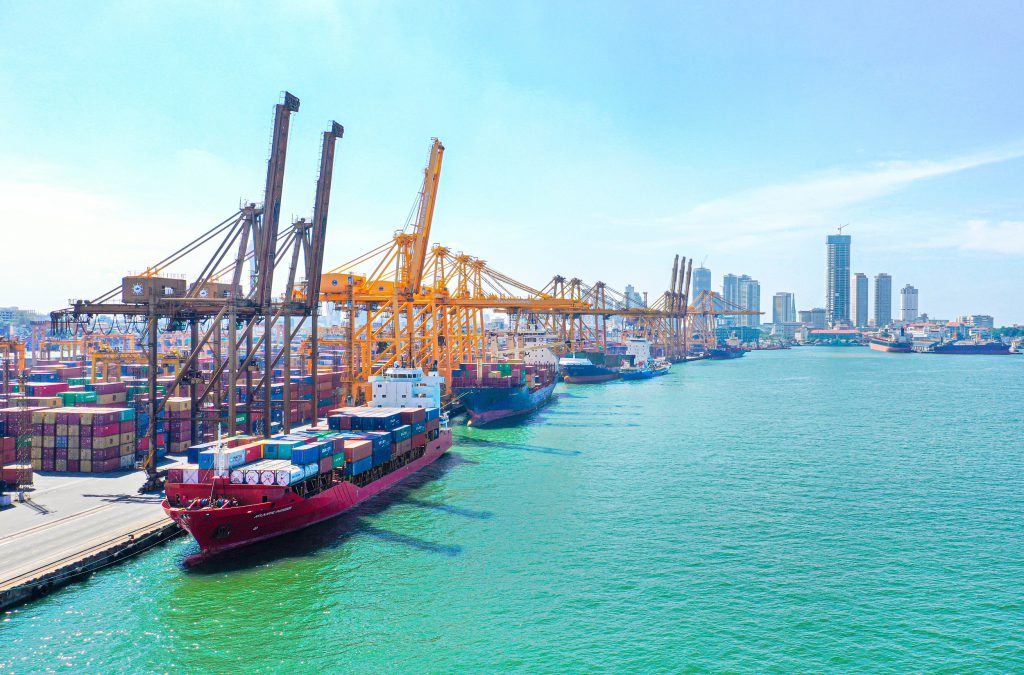
Data recently released by the Export Development Board revealed genuine positives in Sri Lanka’s trade dynamics.
Exports between January and April this year improved to over 5.7 billion dollars – equivalent to roughly 1.8 trillion rupees – indicating a 4.3% year-on-year increase.
April alone represented a 6% growth, bringing in 1.38 billion dollars, with the EDB attributing it to economic resilience.
Leading the surge was the coconut sector, with coconut-based exports up over 21%.
Notably, value-added products like activated carbon saw a substantial 49% growth.
Crucially, the Information and Communication Technology sector pulled in 581 million dollars, effectively outperforming tea,
Sri Lanka’s historic primary export, which brought in 451 million dollars.
Yes, modern Sri Lanka now generates more revenue from IT than from Ceylon Tea.
That’s the good news.
The bad news is underscored by Sri Lanka’s traditional trade pillars now under severe pressure.
While remaining Sri Lanka’s primary industrial export, apparel and textiles contracted by 7.4%, hit hard by falling demand in key Western markets.
Total tea exports also dropped nearly 6%.
But the volatility of the rupee against the US dollar goes far beyond declining factory orders.
Central Bank Governor Nandalal Weerasinghe, speaking to the Committee on Public Finance last week, noted that Sri Lanka’s high spending on imports – particularly the surging price of fuel as a result of the Middle East war – had contributed largely to this pressure.
Figures from the Central Bank show that Sri Lanka's massive import bill – US$ 5.7 billion for the first three months of the year – has effectively wiped out the country's export gains.
The Central Bank Governor also pointed to a massive volume of vehicle importations having a significant burden on the country’s export earnings, which ultimately forced the government to slap a temporary 50% surcharge on customs import duties on vehicles for personal use.














Comments
Moderated before publishing. Your email stays private.