
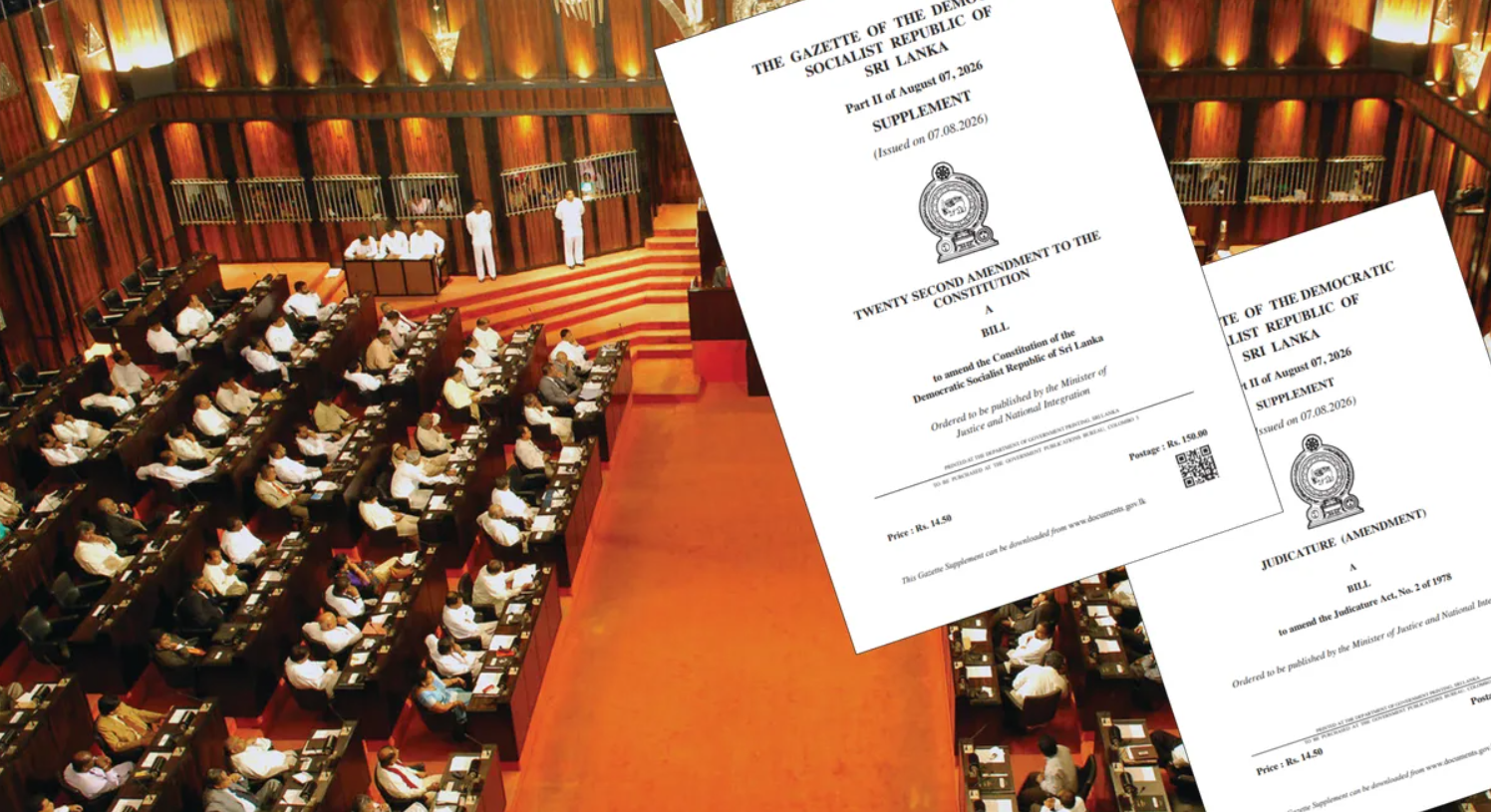
The Supreme Court’s determination on 22nd Amendment to the Constitution will be announced in Parliament tomorrow, media reports quoting a statement from the office of Speaker Jagath Wickramaratne said.
The Speaker had received the confidential determination of the court, the statement also reported to have said, after hearing more than 60 petitions against the amendment earlier this month.
Parliamentary Business Committee has already fixed the debate on the amendment for September 24th and 25th.
Background
Justice Minister Harshana Nanayakkara presented the bills for the 22nd Amendment to the Constitituion and the amendment of Judicature Bill on August 18.
The 22nd Amendment aims to increase the retirement age of Supreme Court judges from 65 to 67 and Court of Appeal judges from 63 to 65, increasing the maximum number of Court of Appeal judges from 19 to 24.
The Judicature (Amendment) Bill meanwhile proposes raising the retirement age of High Court judges from 61 to 63, and setting the retirement age of all other judges and magistrates at 62.
Justification
The government has claimed that these amendments are intended to help address the country's backlog of 1.1 million judicial cases.
By extending the service of seasoned judges, the administration maintains that case continuity can be preserved and the backlog cleared more efficiently, Justice Minister Nanayakarra has claimed.
He has also argued that developed countries have between 40 and 60 judges per one million people, while Sri Lanka has only between 10-20 judges per million.
Criticism
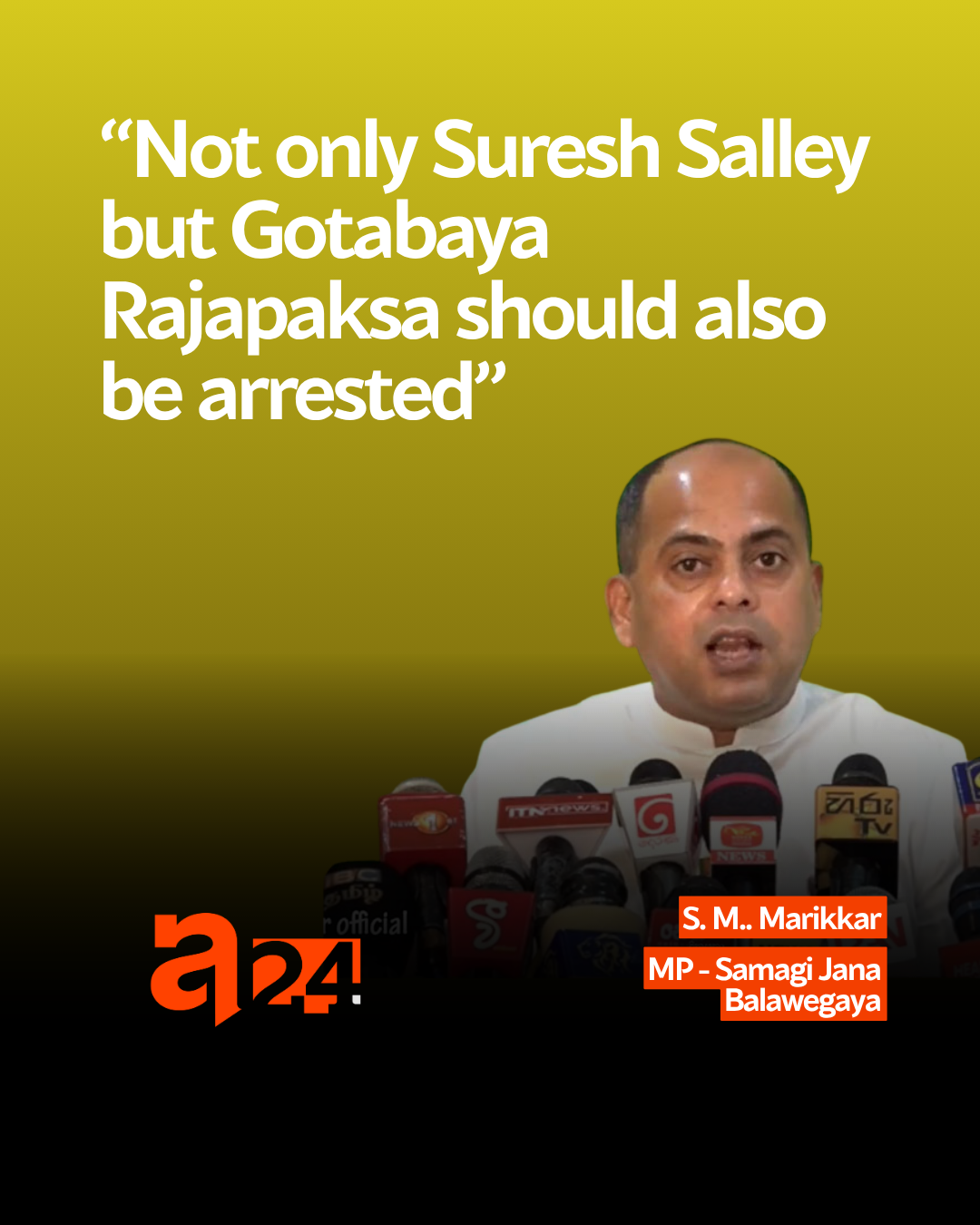
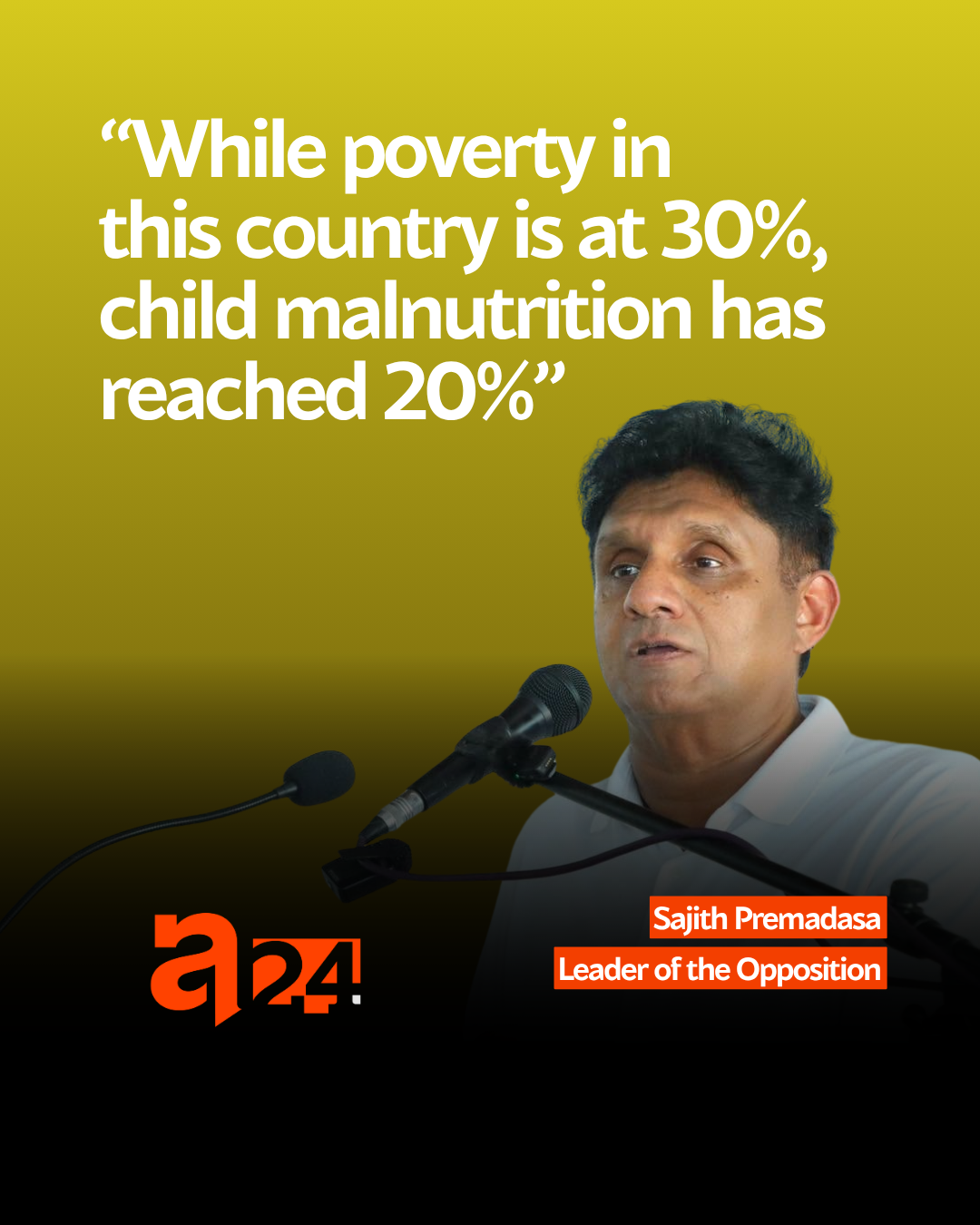
The proposed 22nd Amendment to the Constitution has been criticized by opposition politicians and associations representing lawyers.
Opposition politicians and lawyers’ associations argue that amending the retirement age of sitting judges could be seen as the government influencing the independence of the judiciary.
They also argue that it sets a bad precedent that would enable future governments to influence and interfere with the judiciary at will through similar amendments.
Critics have also questioned the impartiality of Supreme Court judges determining on an amendment that would directly affect their futures as judges.
Opposition MPs have also claimed that the amendment would require a public referendum for it to pass – a constitutional question that the Supreme Court’s determination is expected to address.
Critics have warned that keeping senior judges in office longer could slow promotion prospects for younger judges by reducing vacancies in the higher courts.














Comments
Moderated before publishing. Your email stays private.