
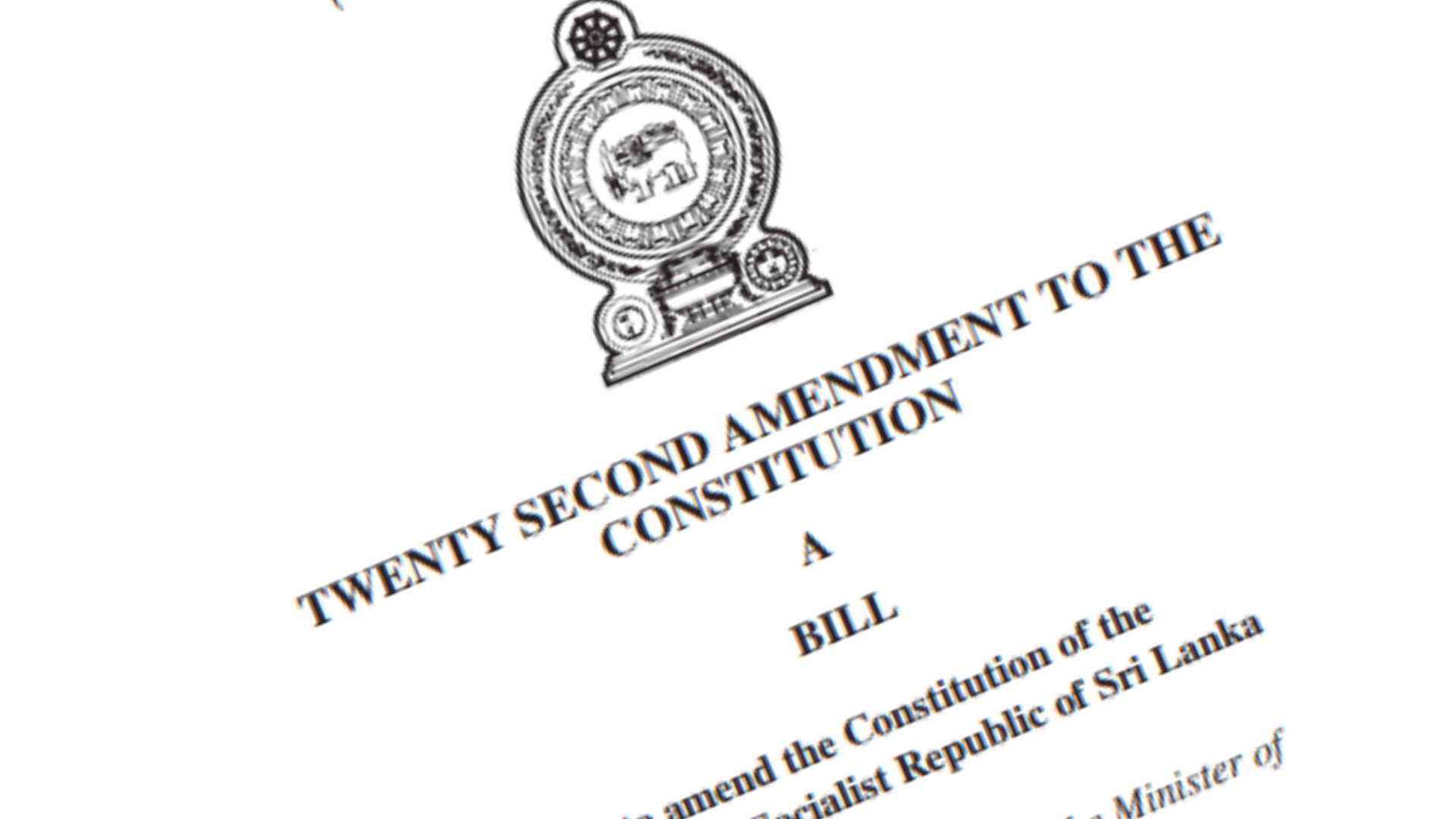
The government has gazetted the controversial 22nd Amendment to the Constitution, which proposes to change the retirement age of Supreme Court and Court of Appeal judges.
According to the Bill, the retirement age of Supreme Court judges will be increased from 65 to 67 years, and Court of Appeal judges from 63 to 65 years.
The Bill will also increase the number of Court of Appeal judges from 19 to 24.
Context
Cabinet approval for the Bill was granted on July 27, following initial proposals to raise the mandatory retirement age of judges across all tiers of the judiciary.
However, the gazette issued today specifies increases only for Supreme Court and Court of Appeal judges.
Passing the constitutional amendment will require a two-thirds majority in Parliament and could face challenges in the Supreme Court over whether a public referendum is necessary.
Purpose
The government’s primary argument for introducing this Bill is to retain experienced senior judges to help clear a massive backlog of over 1.1 million cases pending across the court system.
Officials argue the extension will ease operational strain caused by judicial vacancies and prevent talent loss from the migration of legal professionals.
Government ministers frame the proposal as a purely administrative reform aimed at modernizing court efficiency rather than serving political interests.
Opposition
Several bodies representing the judiciary, lawyers, and opposition parties have strongly opposed the bill, warning that altering retirement ages mid-tenure risks executive interference and damages judicial independence.
Lower-court judicial associations argue the two-year tenure extension will freeze career progressions and create severe promotion bottlenecks for junior magistrates.
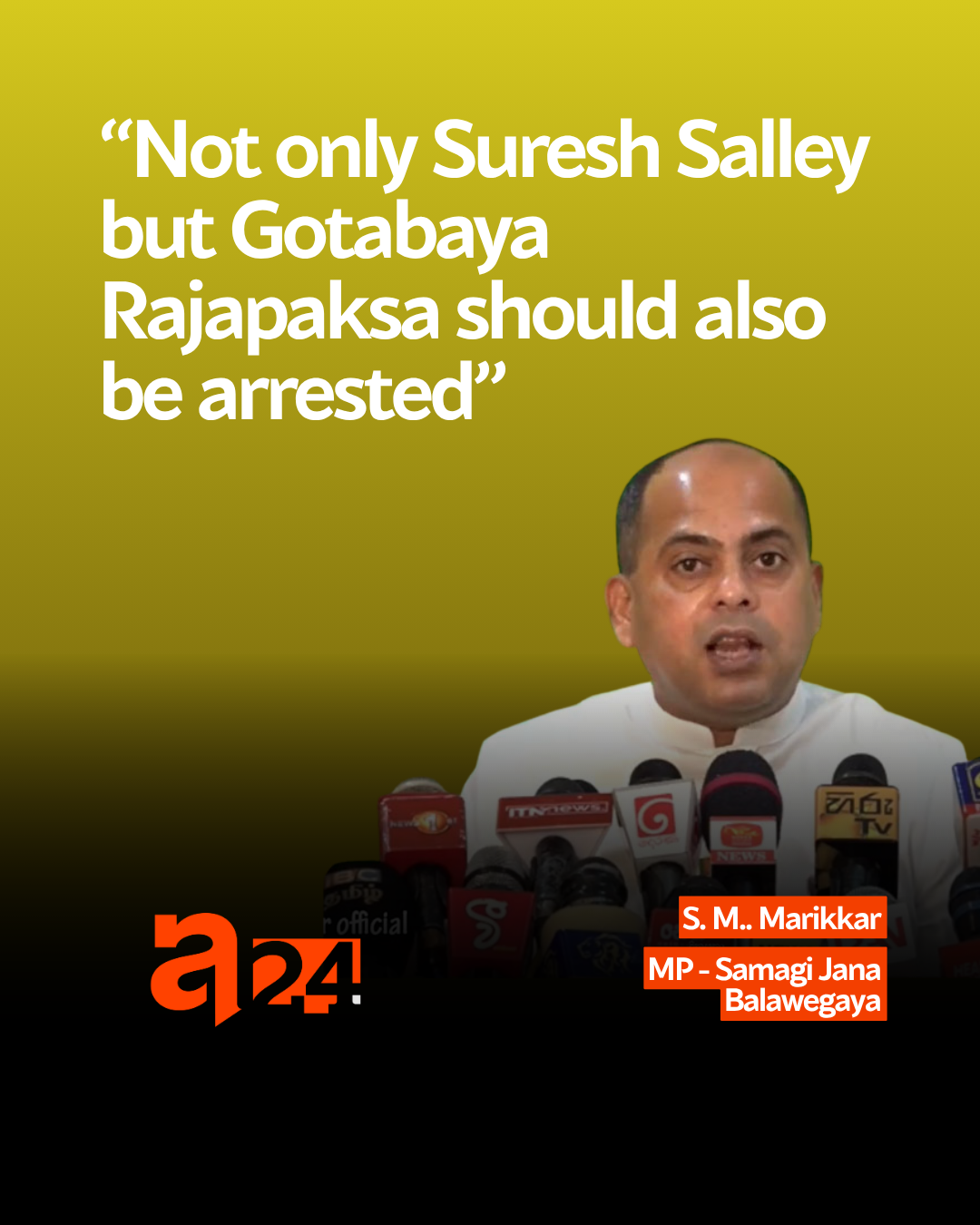
Opposition politicians and international legal bodies caution that changing constitutional safeguards without widespread consensus sets a dangerous precedent for future governments to manipulate judicial tenure.














Comments
Moderated before publishing. Your email stays private.