

The Cabinet of Ministers have approved a proposal to amend the Constitution to raise the mandatory retirement age of judges by two years across all tiers of the judiciary.
Under the approved proposal, the retirement age for Supreme Court judges will be raised from 65 to 67, Court of Appeal judges from 63 to 65, High Court Judges from 61 to 63 and District Court and Magistrates from 60 to 62.
The proposal has, however, drawn sharp criticism from both within and outside the judicial system.
Context
The proposal first emerged in May, as part of a wider judicial reform package aimed at addressing a backlog of more than 1.1 million cases and improving overall court efficiency.
The government argued that by raising the retirement ages experienced judges could be retained within the judicial system, and help the expansion of courts, and ease the strain caused by vacancies and the migration of legal professionals.
Justice Minister Harshana Nanayakkara and Cabinet Spokesperson Dr. Nalinda Jayatissa have framed the move as an administrative reform, not a targeted benefit for any individual judge, rejecting claims that the move is politically motivated or threatens judicial independence.
Opposition
Among those who have opposed this move is The Judicial Service Association of Sri Lanka (JSASL), representing District Judges and Magistrates, and the Bar Association of Sri Lanka (BASL).
In a detailed letter to Justice Minister Nanayakkara, the JSASL listed nine key concerns, including threats to judicial independence, stagnation in career progression for younger judges, lack of transparency, and the risk of political influence over extended‑tenure judges.
The JSASL said the change was not in the interests of the judiciary or the public, and urged authorities to prioritise the long‑term health of the judicial system over short‑term administrative convenience.
The Bar Association of Sri Lanka (BASL) meanwhile, passed a special resolution unanimously opposing the move, and wrote to President Anura Kumara Dissanayake to warn that the move could erode public trust in the judiciary.
In its 25 May 2026 letter, BASL argued there is no demonstrated need for the change, noting that the number of judges in the superior courts was already increased under the 20th Amendment, and that retirement ages have remained unchanged since 1978.
BASL cautioned that amending the Constitution now could, in its view, be seen as political interference, setting a dangerous precedent for ad hoc changes that weaken institutional safeguards and the rule of law.
Senior lawyers, including former BASL President PC Saliya Peries and five leading Presidents' Counsel, warn the move could taint President AKD's legacy and weaken judicial independence.
Among them, NPP's Lal Wijenayake says the proposal was not sanctioned by the party's Executive Council and risks being seen as political interference.
Regional and international legal bodies, including LAWASIA, have also warned the amendment risks executive influence over the courts and could erode Sri Lanka's separation of powers.
Opposition from political leaders
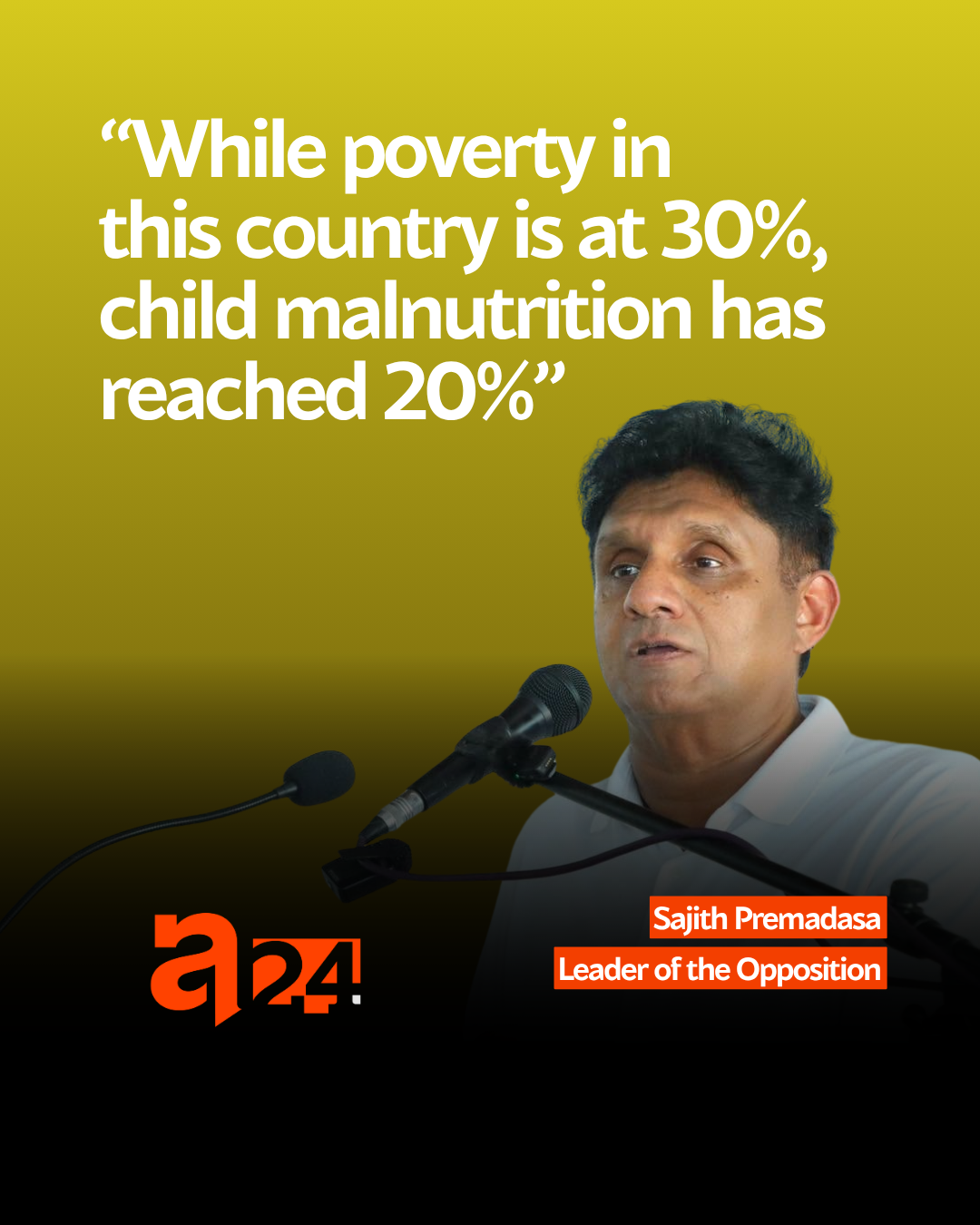
Opposition parties across the spectrum have united against the proposal, with leaders Sajith Premadasa (SJB), Namal Rajapaksa (SLPP), Ranil Wickremesinghe and Maithripala Sirisena all condemning the move as a threat to judicial independence.
Many, including former minister G. L. Peiris, argue that extending the retirement ages of superior court judges affects core democratic structures and should therefore be decided by the people through a referendum, not just by Parliament.
The Joint Opposition and SLPP have described the proposal as politically motivated and dangerous, warning it sets a precedent for future governments to manipulate judicial tenure for partisan ends.
What next?
Following Cabinet approval, the next step is for the government to publish the draft constitutional amendment in the Government Gazette at least 14 days before it is placed on the Order Paper of Parliament.
Any person may then file a petition in the Supreme Court within 14 days of publication, challenging the Bill's constitutionality and whether it requires approval by the people at a referendum.
To amend the Constitution, the Bill must be passed by at least two‑thirds of all 225 MPs; if the Supreme Court determines it affects entrenched provisions, a nationwide referendum is also required before it can become law.














Comments
Moderated before publishing. Your email stays private.