
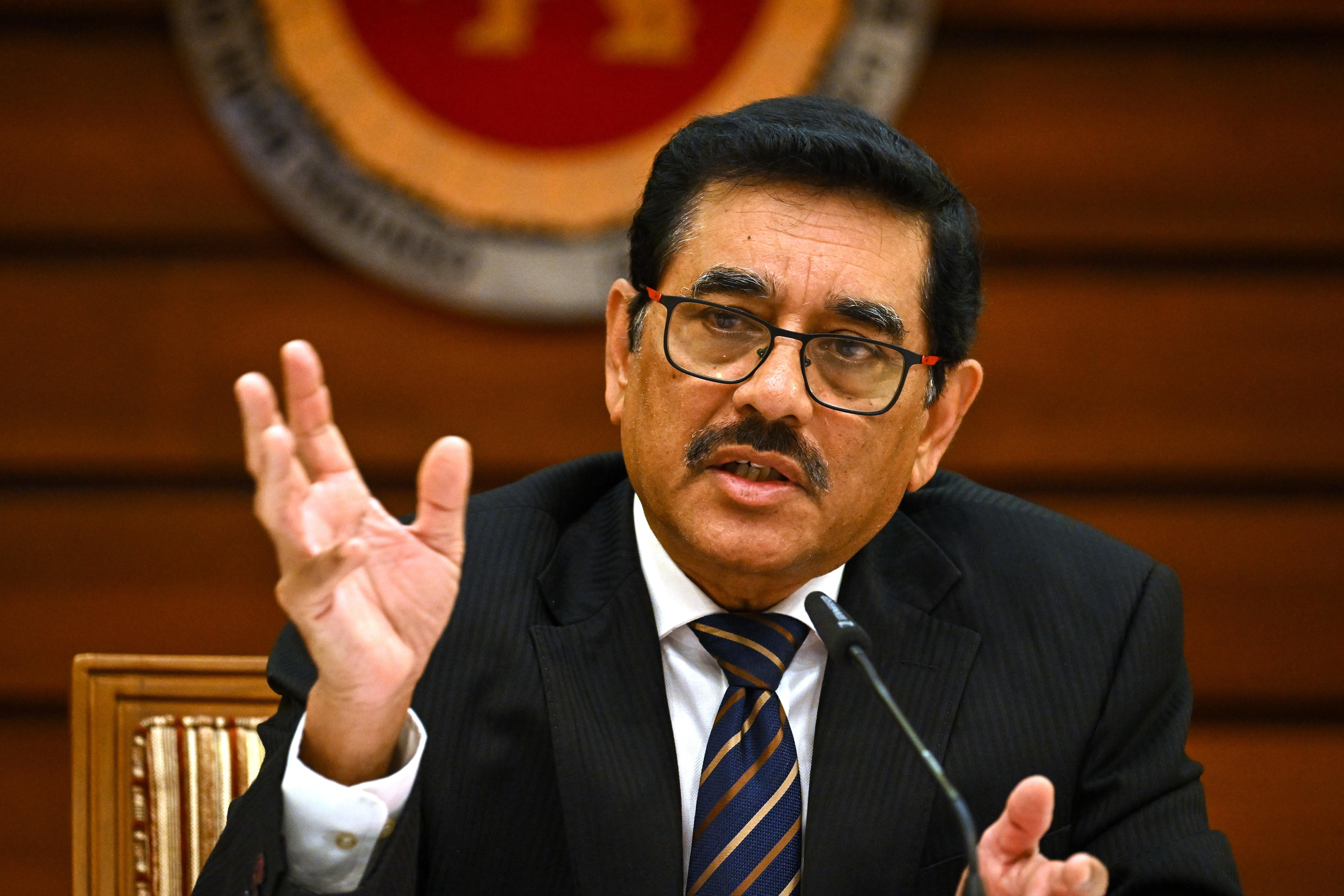
The Central Bank of Sri Lanka (CBSL) announced a sharp 100-basis-point (1 percentage point) increase in its key Overnight Policy Rate (OPR) on Tuesday, raising it to 8.75%.
This marks the monetary authority’s first interest rate hike in 12 months.
Following the announcement, CBSL Governor Nandalal Weerasinghe stated that the bank chose to use the interest rate as a "clean," market-based instrument to restore economic stability.
However, he emphasized that if this aggressive hike proves insufficient, the Central Bank is prepared to deploy additional regulatory tools to maintain price stability.
Context
This dramatic policy shift follows severe pressure on the domestic currency.
The Sri Lankan Rupee’s selling rate recently tumbled to a three-year low of 354 rupees per US dollar, driven by a drastic increase in the country’s fuel import costs amid escalating conflicts in the Middle East, impacting foreign reserves and widened the trade deficit.
Critics and market analysts argued that the Central Bank failed to "mop up" (absorb) excess rupee liquidity from the financial system early enough, driving up credit-backed import demand and triggering the rapid depreciation of the currency.
The Inflation Ripple Effect
When policy rates are low, borrowing money is cheap.
Individuals take out personal loans, and businesses borrow aggressively to expand or import goods.
When domestic demand outpaces supply, it pushes local prices higher.
By raising the policy rate by 100 basis points, the CBSL is intentionally making credit expensive to prevent external fuel shocks from turning into generalized domestic inflation.
This move acts as a financial brake, cooling down public purchasing power.
Immediate Impact on Borrowers and Savers
For the average citizen, this rate hike will have an immediate impact as commercial banks raise their own lending and deposit rates.
For borrowers, taking out mortgages, vehicle loans, or business credit lines will likely become more expensive, making monthly repayment amounts significantly higher.
Conversely, commercial banks will likely increase the interest rates offered on fixed deposits and savings accounts, intending to encourage people to deposit their money in banks rather than spending it in the economy, in effect protecting the real purchasing power of their savings against rising costs.
However, protecting the currency comes at a cost.
With business loans now more expensive, local commercial expansion will inevitably slow down.
Consequently, financial analysts have already downgraded Sri Lanka’s projected economic growth for the year from 4.2% to 3.0%, signaling a tougher financial climate ahead for local industries.
The Outlook for Currency and Growth
The primary objective of this defensive rate hike is to protect the rupee, and early indications suggest it is working.
Immediately following the CBSL announcement, the rupee staged a recovery, strengthening back to 324–325 per US dollar.
Governor Weerasinghe noted that because the exchange rate has stabilized, further emergency interventions may not be necessary right away.










Comments
Moderated before publishing. Your email stays private.