
The Sectoral Oversight Committee on Governance, Justice and Civil Protection approved the Rabies Eradication and Dog Registration Bill, subject to amendments to certain provisions.
The new legal framework aims to establish a National Rabies Elimination Advisory Committee and Regional Rabies Elimination Advisory Committees to coordinate rabies-elimination efforts.
It also seeks to introduce updated regulations to streamline dog registration and control the dog population effectively.
Background
The Bill – formally titled the Elimination of Rabies and Registration of Dogs – was gazetted on 7 September 2026 and presented to Parliament on 24 September 2026 by Minister of Public Administration, Provincial Councils and Local Government Chandana Abeyratne, after receiving Cabinet approval.
The primary objective of the Bill is to eliminate rabies in Sri Lanka through dog vaccination, dog-population control, regulation of commercial dog breeding and the registration of dogs, while ensuring animal-welfare standards.
Existing laws, including the Rabies Ordinance (Chapter 476) and the Dog Registration Ordinance (Chapter 477), are set to be repealed under the proposed legislation.
Vaccination Rules
Members highlighted the need to clarify the age at which a dog should receive its first rabies vaccination, in order to remove ambiguity in the current legal framework.
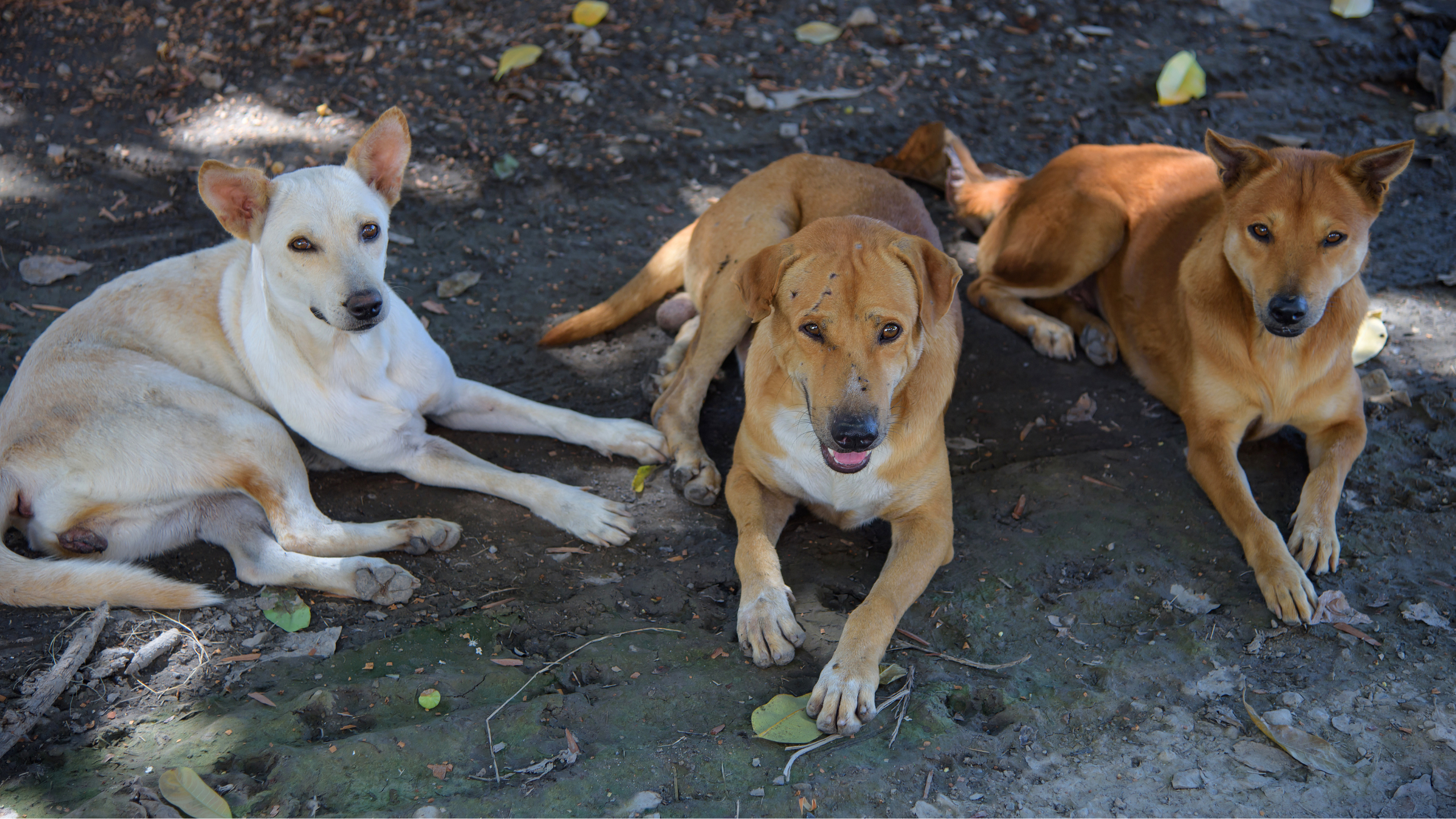
Provisions were also discussed to ensure that individuals who voluntarily feed, care for or provide medical assistance to street dogs are not automatically classified as legal owners.
This aims to protect community caregivers from being made subject to the full legal responsibilities imposed on dog owners.
Sterilization Standards
The committee emphasised that dog sterilisation should be performed surgically under veterinary supervision, while concerns were raised over alternative methods, including hormonal injections.
It also discussed proposals to strengthen regulations for commercial breeding centres, revise fines for failing to register dogs, and introduce stricter measures to curb animal cruelty.
If adopted, these amendments would strengthen oversight and raise animal-welfare standards across breeding facilities.
















Comments
Moderated before publishing. Your email stays private.