
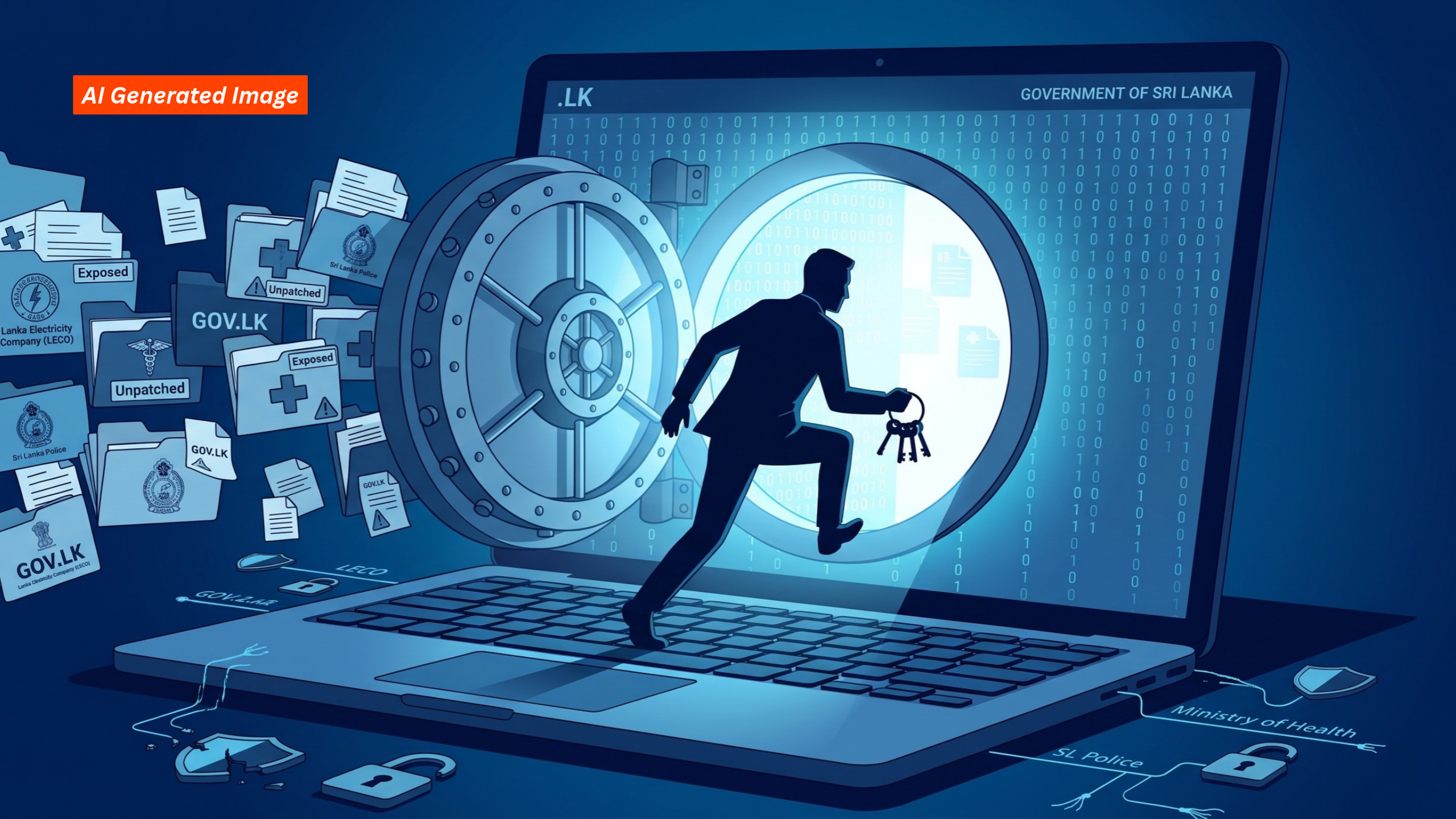
Critical security vulnerabilities flagged across three major Sri Lankan state websites are still there a full month after they were initially reported to the authorities.
In a 24 November letter to Prime Minister Dr Harini Amarasuriya, researcher Dr Sanjana Hattotuwa confirmed that checks on 19 and 20 November proved the flaws had not been fixed.
Hattotuwa said he sent a confidential technical brief to GovTech Sri Lanka and requested immediate warnings be issued for the affected state institutions and Sri Lanka CERT.
Background
On 24 October, Hattotuwa contacted the Prime Minister and the Opposition Leader regarding 80 state-linked websites, noting that 61 ran unpatched, discontinued software.
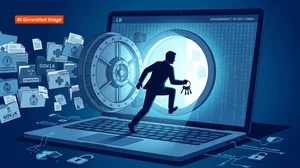
At the Lanka Electricity Company and Sri Lanka Police, database management interfaces are still open online, exposing consumer details and confidential crime reports.
Meanwhile, a Ministry of Health system storing records for all medical staff operates on software abandoned in 2010 and permits logins using only an identity card number.
Data exposure
Exposed LECO records contain consumer names, addresses, meter numbers, and payment histories, which fraudsters could exploit to build convincing fake payment portals, Dr Hattotuwa warned.
At the Ministry of Health, leaked posting histories and pay grades could allow scammers to impersonate payroll officials or locate specific medical personnel, he added.
On the Sri Lanka Police portal, any breach of confidential crime or domestic violence reports would place named victims and witnesses in immediate physical danger.
Parliamentary scrutiny
Hattotuwa criticised Deputy Minister of Digital Economy Eranga Weeraratne for citing 2,109 CERT warnings and 156 ministry notices in Parliament without proving repairs occurred.
He argued that bureaucratic activity does not equal accountability and questioned why a proposed cybersecurity bill is being drafted entirely out of public sight.
Warning against repeating the secrecy of the Online Safety Act, he called for a public register of state systems managed by named, answerable officials.
Security risks
Hattotuwa cautioned that accessible open-weight artificial intelligence models enable attackers to automate penetration testing, extract sensitive files, and demand ransoms.
Citing a 2023 ransomware attack that crippled government email for months, he warned that criminals could quietly copy data before locking out state institutions.
He also noted warnings from Britain's National Cyber Security Centre on AI threats, arguing Sri Lanka cannot rely on private citizens or schoolchildren to spot flaws.









Comments
Moderated before publishing. Your email stays private.