
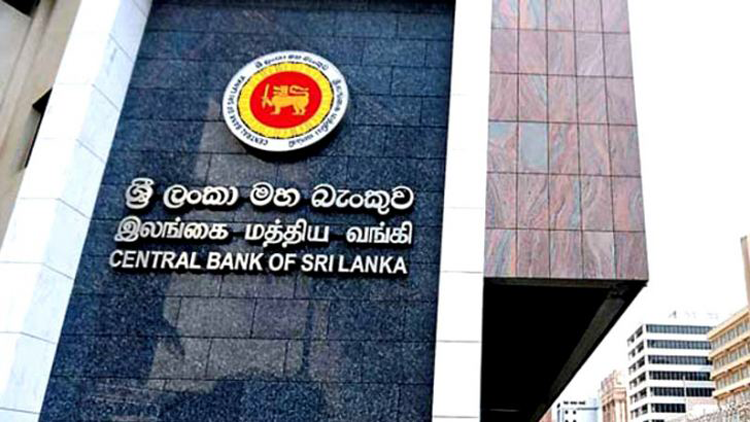
The Central Bank of Sri Lanka has raised its Overnight Policy Rate by 25 basis points to 9.00 percent following yesterday’s Monetary Policy Board meeting.
The move comes as inflation reached 8.3 percent in October, driven largely by higher global energy and food costs linked to prolonged conflict in the Middle East.
The Bank expects inflation to remain elevated in the short term before easing towards its 5 percent target in the second half of 2027. The decision also reflects concern over inflation expectations.
What it means
The Overnight Policy Rate is the Central Bank’s benchmark rate for overnight money-market transactions and its main signal of monetary policy.
When the OPR rises, banks generally face higher short-term funding costs and over time, this can push up lending and deposit rates, making new loans, overdrafts and variable-rate mortgages more expensive.
Higher borrowing costs can moderate spending and investment, helping contain inflation, though the effect takes months.
Reserve requirement
The Central Bank also raised the Statutory Reserve Requirement by 1 percentage point to 3.00 percent, effective 09 December 2026.
The SRR is the share of deposit liabilities that commercial banks must hold as a cash deposit with the Central Bank, absorbing excess rupee liquidity created by foreign-exchange purchases, which lifted official reserves to about USD 7.1 billion by end-October.
With less money available to lend, the measure reinforces tighter monetary conditions and may slow private-sector credit growth.
Policy outlook
Although global energy costs have eased, the Central Bank said the follow-on effects of earlier price increases, such as higher business costs, wages and inflation expectations, could keep near-term inflation pressures high.
While medium-term expectations remain anchored around the 5 percent target, the Board tightened policy to reduce the risk of expectations becoming unanchored and uphold price stability.
It will assess data to stabilise inflation while supporting medium-term potential before its first 2027 review.















Comments
Moderated before publishing. Your email stays private.