
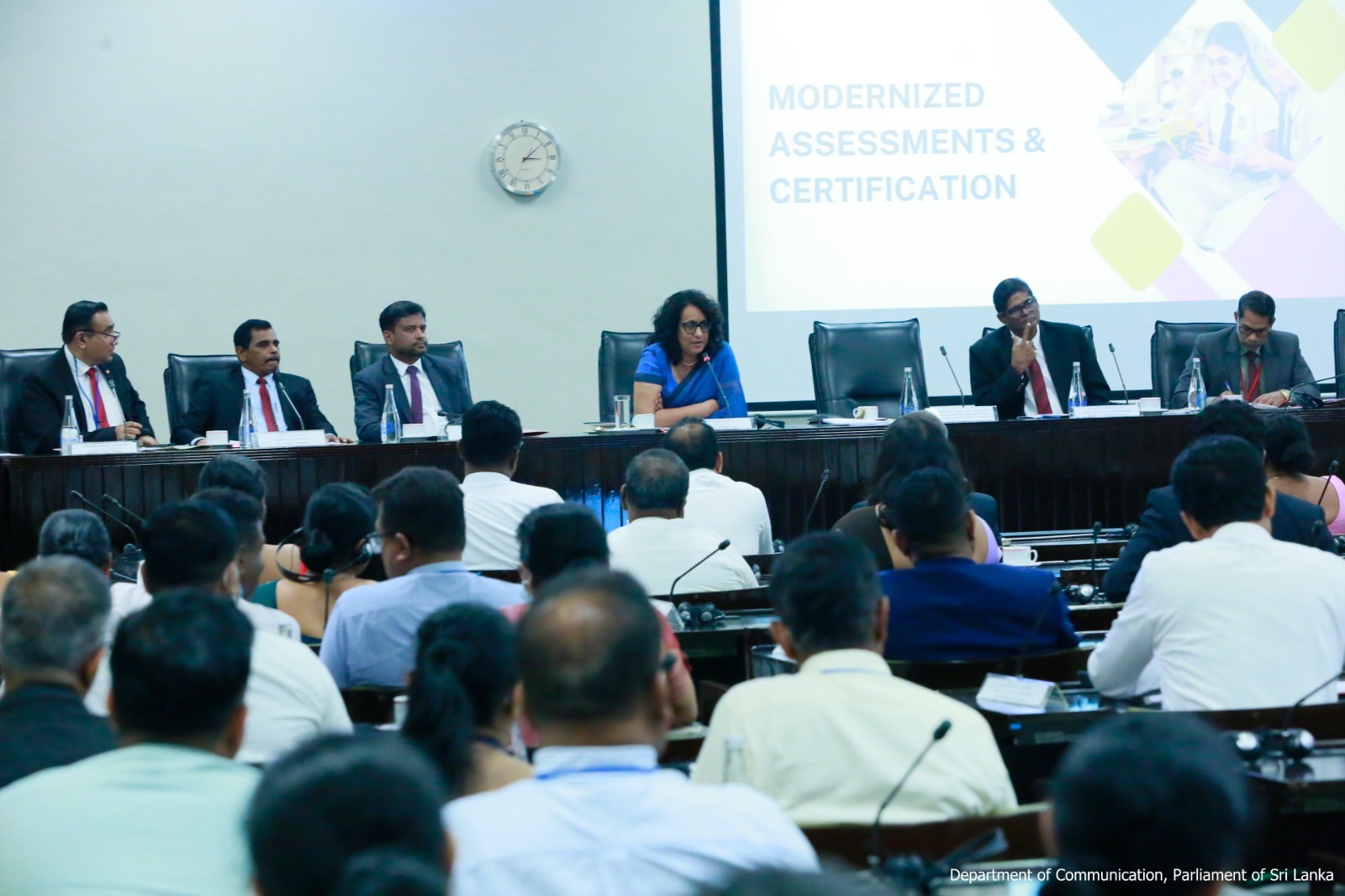
Wide-ranging education reforms, shifting the education system from content-based schooling to an outcome-based, student-centred framework assessed through continuous modular evaluation, are being introduced.
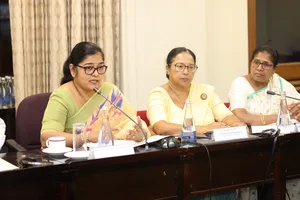
Prime Minister and Education Minister Dr Harini Amarasuriya briefed Members of Parliament on the revised framework during a consultative committee meeting held at the Parliament complex.
Dr Amarasuriya stated that education should nurture responsible and ethical citizens rather than simply train workers for the labour market, adding that implementation issues must be guided by research and evidence.
Implementation Schedule
Under the approved Cabinet plan, the phased implementation began with Grade 1 in 2026, with Grades 2 and 6 scheduled to follow in 2027.
Education Ministry Secretary Nalaka Kaluwewa stated that a national committee of experts and five subcommittees were established by April 2026 to guide the process.
Current preparations include training teachers, printing teacher guides, developing learning modules, and improving digital facilities in schools.
Vocational Pathways
The new structure moves away from rote learning and examination pressure by evaluating student progress through a credit-based modular system throughout the year.
Students will be introduced to vocational fields from Grade 6, allowing those in Grades 12 and 13 to earn qualifications up to NVQ Level 4 or proceed to higher education.
Authorities have launched the "RIES" website and started awareness programmes across the country to keep parents, teachers, and the public informed.










Comments
Moderated before publishing. Your email stays private.